Center of Excellence in AR-VR
About
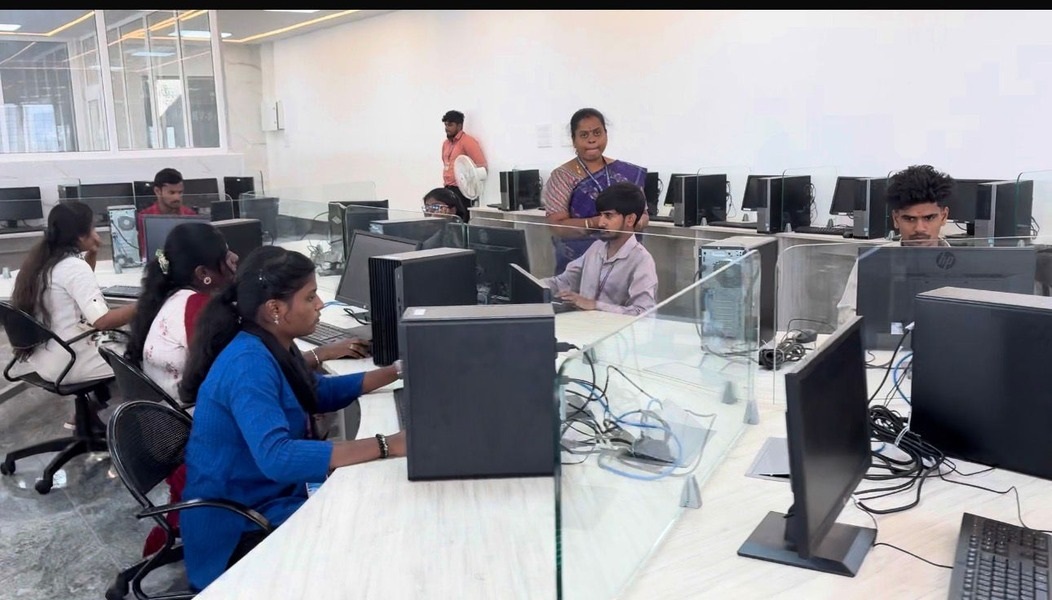
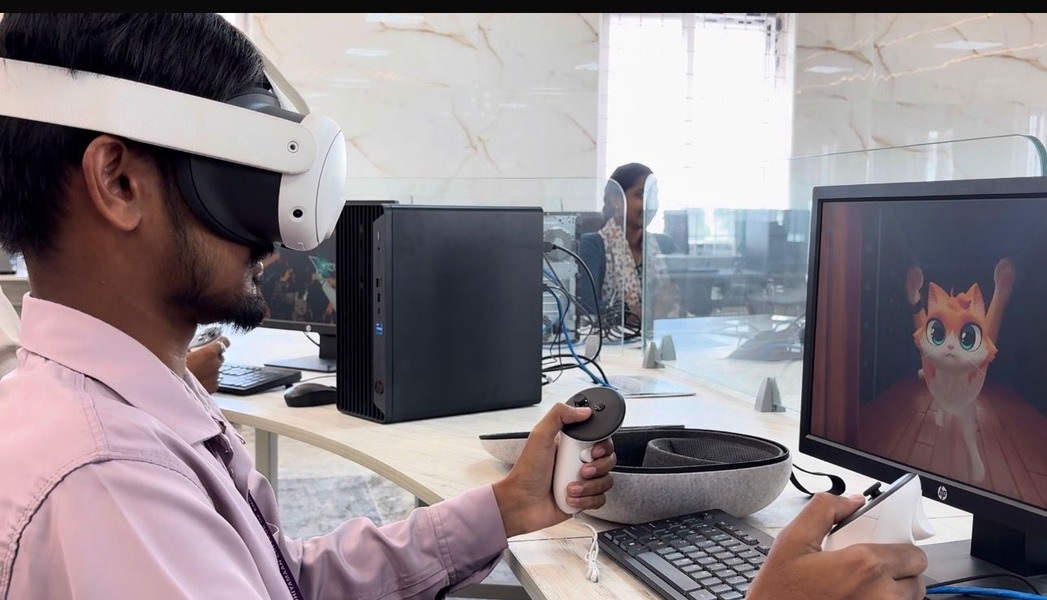
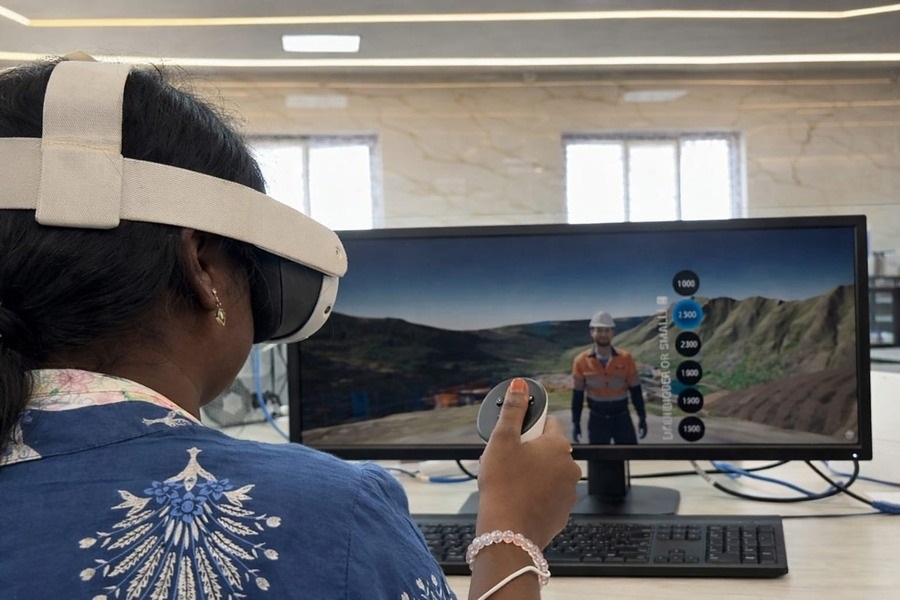
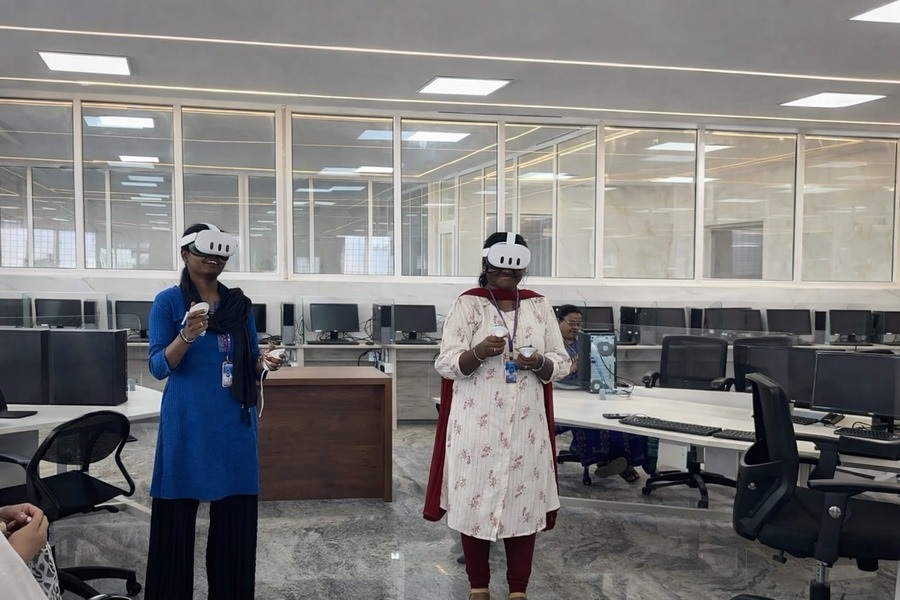
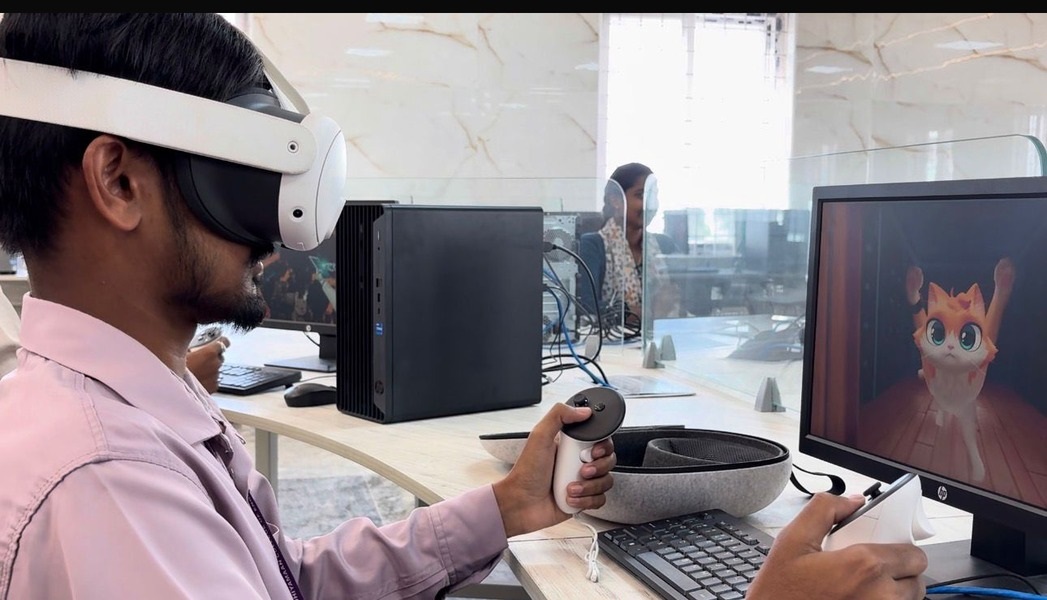
The Center for Excellence in Augmented Reality (AR) and Virtual Reality (VR) is established to provide advanced training, research exposure, and industry collaboration in immersive technologies.
The center focuses on:
- Immersive application development
- Simulation-based learning
- 3D modeling and interactive design
- Metaverse and extended reality (XR) research
- Industry-ready skill development
The CoE serves students from:
- Computer Science Engineering
- Information Technology
- Electronics & Communication Engineering
- Mechanical Engineering (for simulation applications)
Vision
To become a premier academic hub for immersive technology research, innovation, and industry collaboration in AR/VR.
Mission
- To provide hands-on training in AR/VR tools and platforms
- To encourage student-based innovation and startups
- To collaborate with industry partners for real-time projects
- To promote funded research and consultancy
Objectives
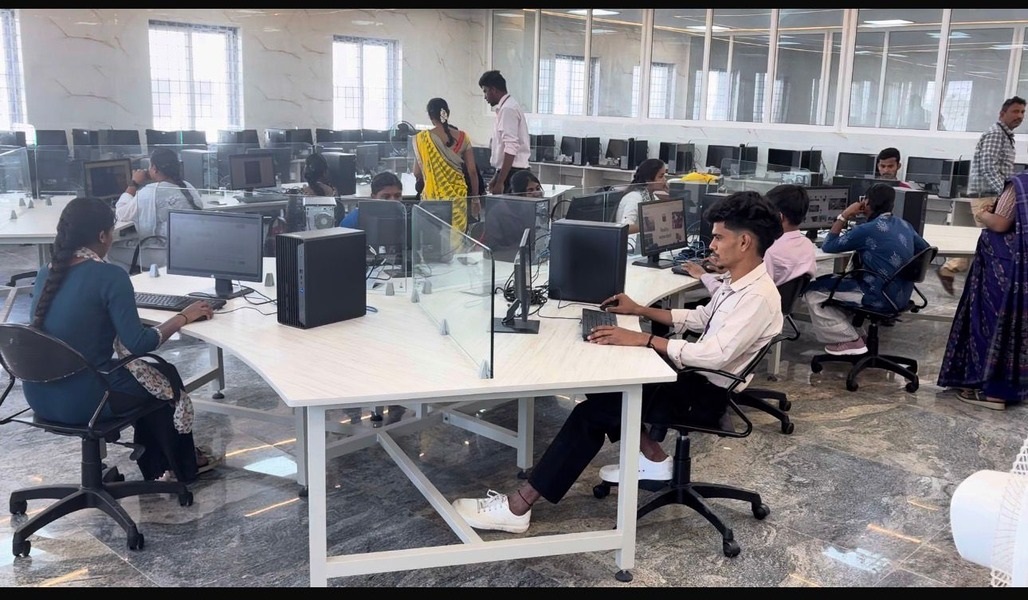
- Establish a dedicated AR/VR development laboratory
- Conduct certification programs and workshops
- Develop simulation-based learning modules
- Encourage interdisciplinary projects
- Organize hackathons and technical events
Faculty Development Program (FDP)
Title: Introduction to Unity and 3D Real Time Rendering Application Development
Date: 08.10.2025 to 11.10.2025
 |
 |
|
Addressed By |
Addressed By |
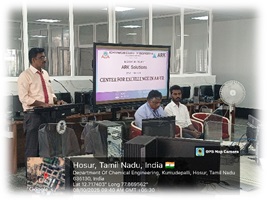
Our institution successfully organized a Four-Day Faculty Development Program (FDP) on “Introduction to Unity and 3D Real Time Rendering Application Development” from 08th October 2025 to 11th October 2025. The program was designed to provide in-depth knowledge and hands-on experience in Unity game engine and real-time 3D application development.
The FDP sessions were delivered by S Lokesh, Unity Developer at ARK Network.
With strong industry expertise in Unity development, AR/VR applications, and real-time rendering systems, the resource person provided practical exposure to current industry workflows, development pipelines, and deployment strategies.
The FDP witnessed active participation from 40 faculty members from different institutions, enabling rich academic interaction and collaborative learning. Read more ...